
The Connection Between Stress and Recovery-
How chronic stress impacts your ability to recover — and how to manage it effectively
The Connection Between Stress and Recovery
Introduction
Recovery is often framed as a purely physical process — a matter of sleep, nutrition, hydration and rest days. Yet one of the most significant factors influencing recovery isn’t a physical input at all, but a psychological one: stress. Chronic stress doesn’t just affect how you feel mentally; it alters your hormonal environment, immune system, inflammation levels and muscular regeneration capacity. Whether you’re an athlete, a recreational lifter, or simply juggling work and training, understanding how stress interferes with recovery may be the missing link in achieving consistent performance and progress.
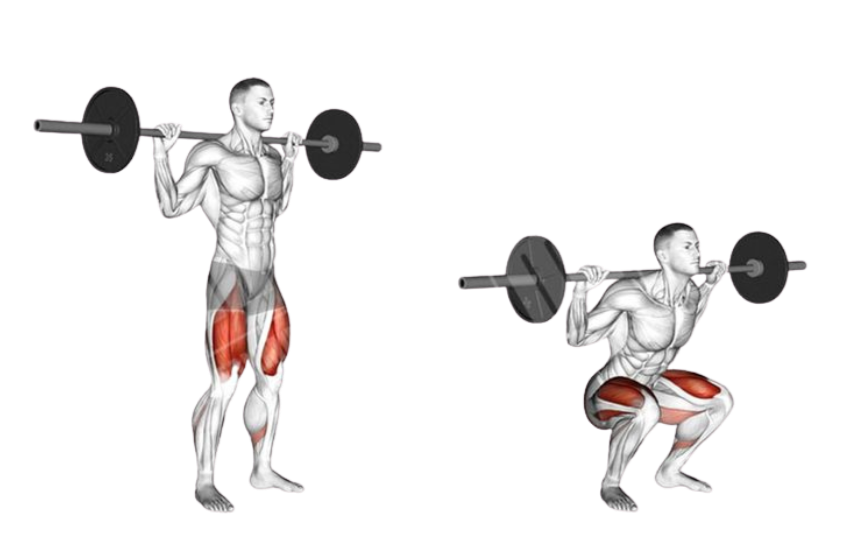
Modern training culture often emphasises discipline, productivity and relentless effort. But under the hood, the body doesn’t distinguish between a heavy front squat session and an overwhelming week at work — both place demands on your stress-recovery systems. When life stress accumulates alongside training load, the body becomes less capable of repairing itself, less adaptable to stimulus, and more vulnerable to fatigue, injury and burnout.
How Stress Physiologically Interferes With Recovery
The effects of chronic stress on recovery begin with the body’s core stress-response system, the hypothalamic–pituitary–adrenal (HPA) axis, which governs the release of cortisol and other stress hormones. Under normal circumstances, cortisol rises briefly during exercise and then returns to baseline. However, when stress is persistent, cortisol remains chronically elevated and disrupts the endocrine and metabolic processes needed for healing. Chronic stress is associated with altered neuroendocrine signalling and immune dysregulation, which directly influences how tissues repair and how the body responds to training stimuli (MDPI).
One controlled study showed that individuals with higher life-stress took significantly longer to recover muscular strength after resistance exercise. Their return of maximal isometric force was reduced compared to individuals reporting low stress — even when both groups performed the exact same training session (Stults-Kolehmainen et al., ResearchGate). This suggests that stress alone — independent of the workout — can compromise recovery of muscular function.
Longer-term studies reinforce this pattern: individuals experiencing chronic stress demonstrate slower recovery of muscular performance and report more soreness, fatigue and impaired function for up to 96 hours after exercise compared to low-stress individuals (Stults-Kolehmainen et al.).
Stress also impairs immunity, reducing the body’s ability to handle both infection and the microscopic muscle damage associated with training. When the immune system is suppressed, inflammation becomes poorly regulated, tissue healing slows, and the risk of both illness and overtraining increases (ScienceDirect).
The Cumulative Effect: When Life Stress Meets Training Stress
Athletes sometimes assume that mental stress is separate from physical fatigue, but biologically, the body interprets all stressors cumulatively. Relationship issues, poor sleep, financial concerns, work pressure, exams, or inconsistent routines can have similar physiological consequences to high training volumes or intense conditioning sessions.
The danger emerges when life stress + training stress consistently outweighs recovery capacity. This creates a state of systemic overload, where cortisol remains high, immune function dips, muscle repair slows, and psychological resilience decreases. Training quality suffers, motivation declines, and minor issues — like poor sleep or muscle tightness — can snowball into larger setbacks.
Even elite athletes are susceptible. Research on stress and recovery in high-performance sport emphasises that psychological strain can erode recovery quality and increase susceptibility to injury, illness, or overreaching when recovery strategies are not adjusted accordingly (Kellmann & Kölling, Taylor & Francis).
How to Manage Stress to Improve Recovery
1. Build Awareness of Your Stress–Recovery Balance
Monitoring stress is as important as tracking sets, reps and training load. Tools like sleep logs, mood journals, or validated scales such as the Acute Recovery and Stress Scale (ARSS) help athletes understand when stress is rising beyond what their recovery can support. This awareness allows adjustments before stress turns into injury or burnout.
2. Prioritise Foundational Recovery Behaviours
Stress magnifies the consequences of poor sleep, inadequate nutrition, dehydration and irregular routines. When stress is high, the body requires even greater emphasis on recovery essentials: consistent sleep, balanced carbohydrate and protein intake, proper hydration and structured downtime. Studies highlight that athletes with high stress demonstrate lower recovery indices, particularly when sleep quality is compromised (MDPI).
3. Use Low-Intensity Movement and Relaxation-Focused Activity
Gentle movement — such as walking, mobility flows, light cycling, or low-intensity yoga — can help counteract the physiological effects of stress. These activities stimulate blood flow, promote parasympathetic nervous system activation, and support hormonal rebalancing without adding measurable training fatigue. Recovery protocols used in applied sport psychology emphasise relaxation techniques, paced breathing, mindfulness and controlled movement as central tools for restoring physiological balance (SAP Reports).
4. Implement Psychological Stress-Reduction Practices
Beyond physical behaviours, the management of emotional and cognitive stress is crucial. Relaxation practices, mindfulness-based interventions, structured deep breathing, journaling, and cognitive reframing techniques have been shown to reduce stress markers and improve subjective recovery and well-being. Meta-analyses indicate that programmes combining mindfulness, relaxation and recovery education significantly improve stress outcomes in athletes and reduce symptoms of burnout (MDPI).
5. Adjust Training Load During High-Stress Periods
Evidence strongly supports modifying training during periods of high psychological stress. When life stress is high, reducing training volume or intensity protects both recovery and long-term adaptation. Athletes who adapt their load based on stress levels see fewer injuries, better strength retention and improved long-term progress. Recovery-stress frameworks suggest that training should be fluid — built around readiness, not rigid schedules.
A Practical Model for Balancing Stress and Training
A simple model for daily decision-making is to ask:
“Is my current stress level higher than my recovery capacity?”
If the answer is yes, replace intense sessions with lower-load options such as mobility, technique work, Zone 2 aerobic activity, or dedicated recovery sessions.
If the answer is no, proceed with planned training but remain attentive to early signs of strain — impaired sleep, elevated resting heart rate, irritability, poor lifts, or persistent soreness.
Stress is not a reason to stop moving altogether, but it is a reason to adjust intelligently.
Final Thoughts
Stress is not just a psychological experience — it is a biological load that directly affects how well you recover, adapt and perform. Chronic stress elevates cortisol, disrupts immune function, slows muscle repair, reduces power and strength recovery, weakens resilience and increases the risk of injury. Yet with awareness, structure, and evidence-based strategies, stress can be managed effectively.
Recovery is not solely about what you do in the gym, but what you do outside of it: how you sleep, how you eat, how you think, and how you respond to life’s challenges. By treating stress management as seriously as training programming, athletes can unlock better progress, more consistent performance and long-term physical and mental well-being
View our Services

Injury Consultation
Our Consultation With Treatment service offers professional physical therapy solutions tailored to your unique needs. 20/30-minute consultation discussing concerns, goal setting, and preferable methods. Followed by a physical assessment,
Treatment personalised treatment plans, and ongoing support to help you achieve optimal physical well-being
Injury Rehabilitation
Our Injury Rehabilitation Sessions are focused on restoring mobility and functionality. Patient-centred approach tailored to get you back to the office or the pitch. The sessions utilise evidence-based techniques and therapist knowledge to provide effective rehabilitation. We create and take you through every step of a personalised treatment plan tailored to your specific end goal, ensuring a swift and successful recovery.
Deep Tissue Massage
Deep Tissue Massage is a highly effective therapeutic service provided by our expert physical therapists. Using targeted, firm pressure, this treatment focuses on relieving chronic muscle tension and knots, promoting improved flexibility, and enhancing overall relaxation. Experience the benefits of our professional deep tissue massage to alleviate pain and restore optimal physical well-being.